
Warning: This article contains spoilers for key plot points in Reanimal. If you haven’t played it yet, you’ve been warned.
A small boat in the middle of the ocean, two children on board, and the arrival at a deserted place where, if there was ever life in the past, it is no longer there. Other children have disappeared; we must set out to find them. This is the premise of Reanimal, the new game from Tarsier Studios, known for its work on the Little Nightmares franchise (at least, up until the second installment). The basic idea is the same. You play as a small creature who must survive in a hostile world. Death lurks around every corner of the places you traverse. You must see this nightmare through to the end.
Yet, from the moment it first appeared, this game caught the community’s attention. For one thing, the studio demonstrated that, even though it no longer held its flagship license, it intended to use a similar concept and gameplay that closely resembled it. Moreover, the adventure promised to be even darker than in Little Nightmares, which already delighted in immersing us in a thoroughly gloomy world. This time, brutality seemed to be the order of the day. However, it wasn’t just these aspects of the experience that caught people’s attention.
In Little Nightmares 1, the game’s story takes place in the Maw—a massive underwater structure unlike anything we’ve ever seen. We were presented with a world that blends a Tim Burton-esque aesthetic with moments reminiscent of Spirited Away. Its sequel, however, has opted for visuals that are a bit more evocative. A forest haunted by a hunter, a school, a hospital—these are all places that remind us of our world and its infrastructure. What sets Little Nightmares 2 apart is how it distorts these locations to make us feel like we’re living a waking nightmare.
For its part, and prior to its release, Reanimal promised a world broadly similar to that of Mono and Six’s adventures in 2021. However, it didn’t quite follow the same path. This time, the game’s goal isn’t to transport us to another world. On the contrary, it’s to bring us as close as possible to reality—to the horrors of our own world.
The Intimate Nightmare
Reanimal borrows many of the elements from Little Nightmares that work so well. One of these is the need to be cautious in the face of the unknown. You never know what awaits you at the start of a new chapter. Will there be multiple monsters to flee from? Will they have special abilities we’ll need to figure out? How scary are they? These are all questions that cross our minds when playing Tarsier Studios’ games. Here, we’re in the same frame of mind from the very first seconds as we sail across the ocean, simply because we don’t know what’s lurking nearby.
The Little Nightmares games were all about evoking childhood fears and the figures that go along with them. The teacher in the second game is a prime example. She’s a teacher who behaves tyrannically toward her students and torments them, among other things. Who hasn’t been afraid of having a teacher like that? Well, Reanimal takes the concept further by highlighting, right from the start, a very real danger to children. To do so, it introduces its first antagonist: the Sniffer. A name that’s strange and frightening, to say the least, for an enemy who is just as much so.
The encounter with the Sniffer is classic, if you’ve played the studio’s previous games. He looks like a tall man who can contort his body to reach us more easily. However, what really stands out about this antagonist is one sequence in particular. Our characters reunite with one of their companions, narrowly escape death, and arrive on a deserted road. Suddenly, an ice cream truck turns on its headlights and starts chasing them. Our two protagonists manage to shake it off, but their friend doesn’t… and is kidnapped right before their eyes.
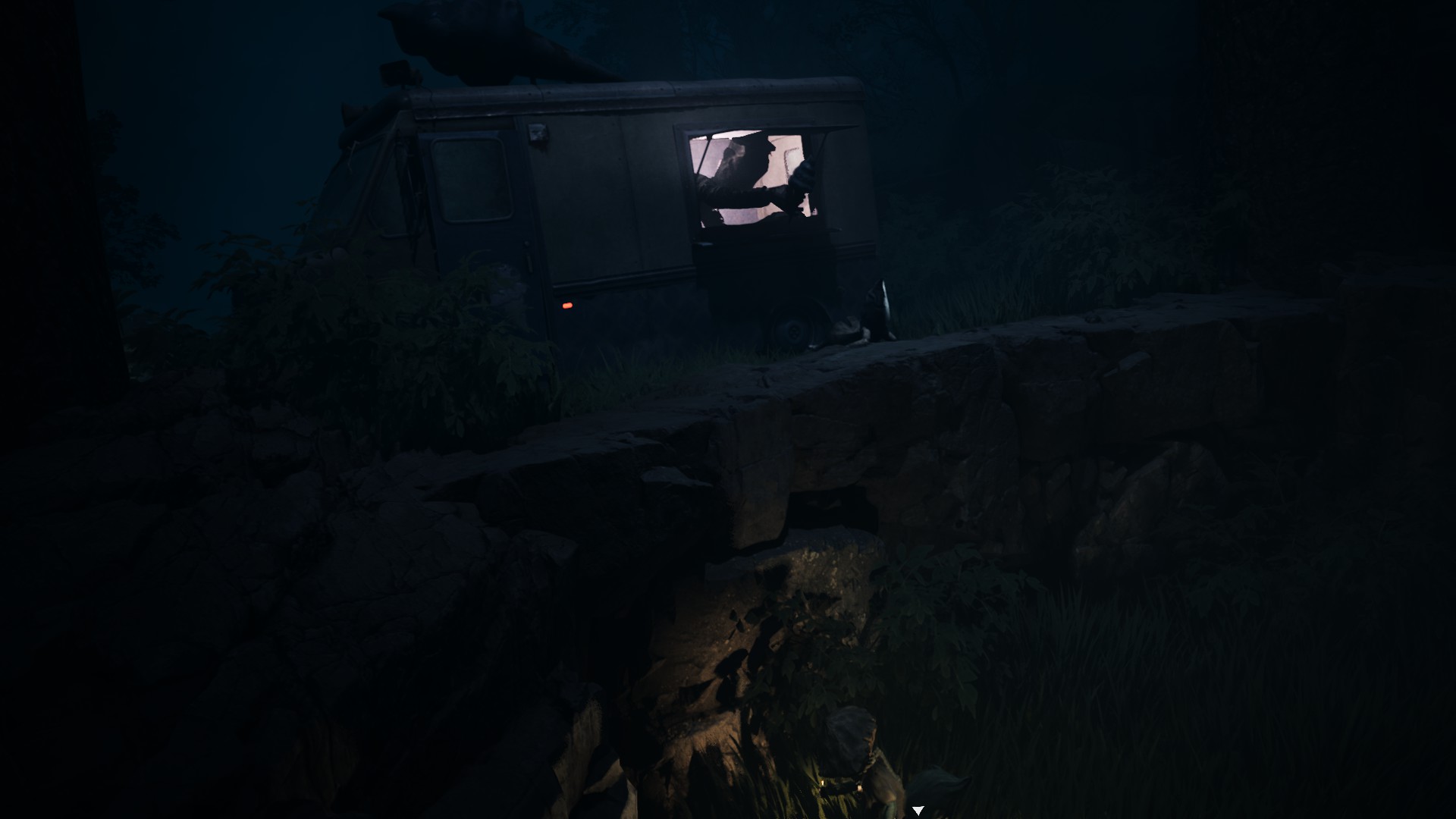
This scene is chilling because of its approach. The Sniffer opens the ice cream truck, hands an ice cream to the terrified child, then throws it away and grabs the child. He doesn’t use a power to snatch the child like the “Thin Man” in Little Nightmares 2; he simply grabs the child, takes him into his truck, and drives off. The realism of the action is what’s truly striking. We’re brought back to a concrete fear, far removed from the fantasies often found in horror. The fear that a child might suddenly be kidnapped on the road.
By doing this, Reanimal frightens us on a more personal level. It feels so close to reality that it becomes unsettling. We set out to find the child, only to watch as the Sniffer drags him into a movie theater. He is eventually locked in a cage, and it’s up to us to free him. It’s almost as if the studio is telling us, “Welcome to the real world.” Of course, the game doesn’t always aim to be that way. At least, that’s what we tell ourselves for most of the experience. Until a certain point that changes everything.
The ever-present specter of war
One of Reanimal’s greatest strengths is its world. At first, it’s somewhat reminiscent of Little Nightmares. Structures that resemble those of our world, but distorted and bizarre enough that you still feel like you’re somewhere else—in a nightmarish version of our reality. Except that, the further you progress, the more this new game turns that concept on its head. In fact, it begins to show us perfectly normal environments we’re all familiar with: a working lighthouse, a movie theater, a bus taking us somewhere, or a gas station. We start to feel closer to this world, which heightens an already present sense of unease. Then comes the arrival of a figure that turns everything upside down. The army.
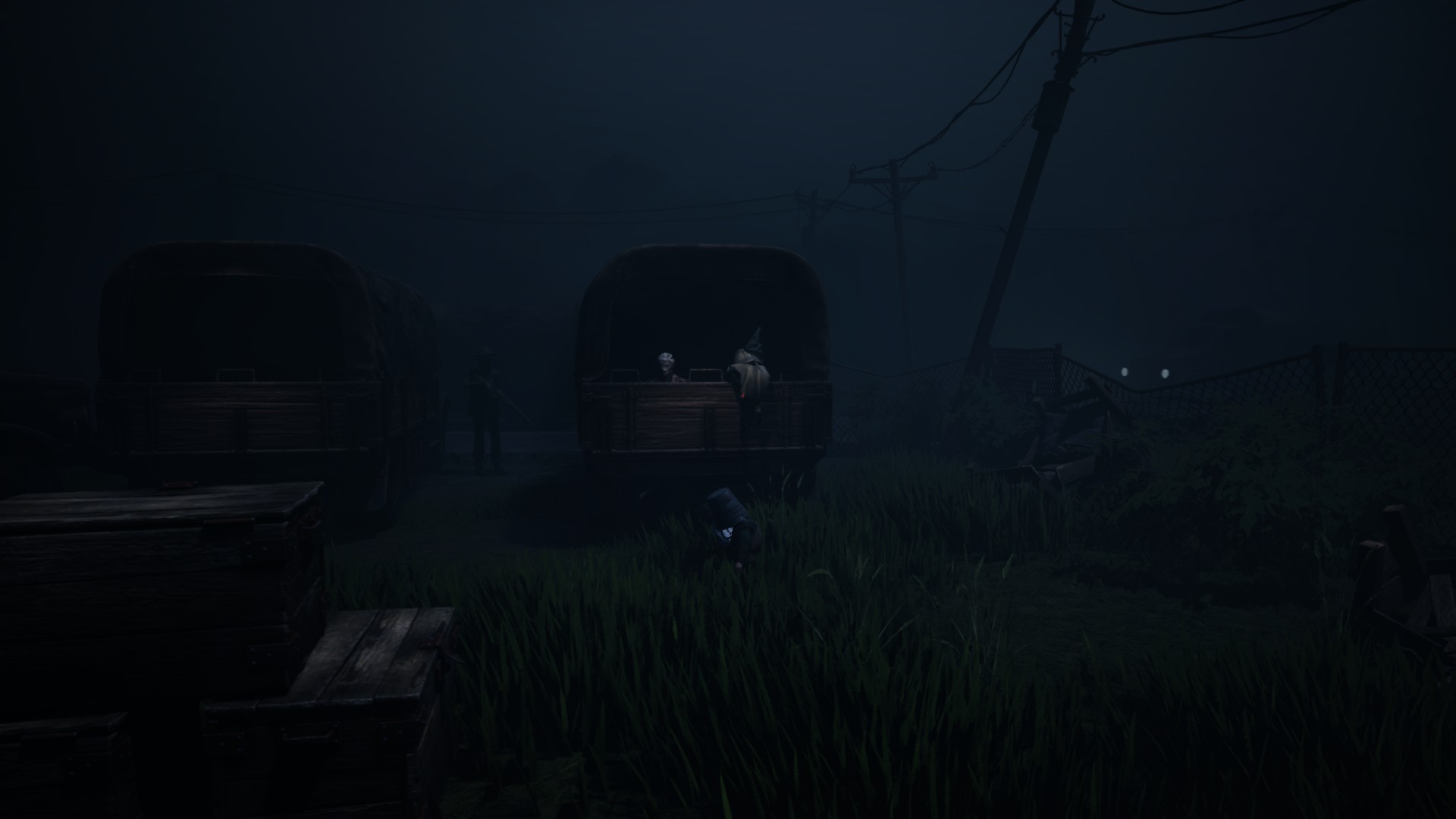
Yep, as we exit the chapter set in the City of Sand, what awaits us outside are army trucks. At first glance, it seems we’re dealing with soldiers from the “Great War.” If we get close to them, they shoot at us, and that’s already deeply unsettling. Being devoured by monsters, sure, but here, we’re being mowed down like cattle by a human with a rifle. So we’re no longer fleeing monsters, but the threat posed by humans in times of war? In truth, this comes as no surprise.
From the very start of the game, Reanimal subtly hints that we’re dealing with a world in the throes of armed conflict. This might escape you if you’re not paying close attention, but there are plenty of clues to prove it. For example, in the first chapter, you can see human corpses that have been thrown into the bottom of a ravine. It’s as if they wanted to get rid of them quickly, because there were simply too many. Not far from there, we find a room where dozens and dozens of shells are stored. And there are other rooms like this one, where weapons are stockpiled.
This explains why the first city we pass through is in such a dilapidated state and devoid of all life. It has been ravaged by armed conflict. We also notice that dead soldiers are slumped in the seats of the movie theater we sneak into. War is very much present from the moment we take our first steps in the game. Or at least its aftermath. Nothing has been left to chance, and this even extends to a few collectibles. In fact, throughout the adventure, you can tear down propaganda posters to unlock illustrations in the main menu. But what exactly do we see on them?
The camera doesn’t show us a close-up of what these posters depict. We remove them without giving it much thought, as is often the case with collectibles. But if we look at them more closely, we notice various propaganda images referencing the war. In addition, we can see a sheep on a massive cannon surrounded by several birds. This is reminiscent of certain propaganda posters that actually existed, particularly during World War II. Given this observation, the studio’s desire to bring the world of Reanimal closer to our own is all the more evident.
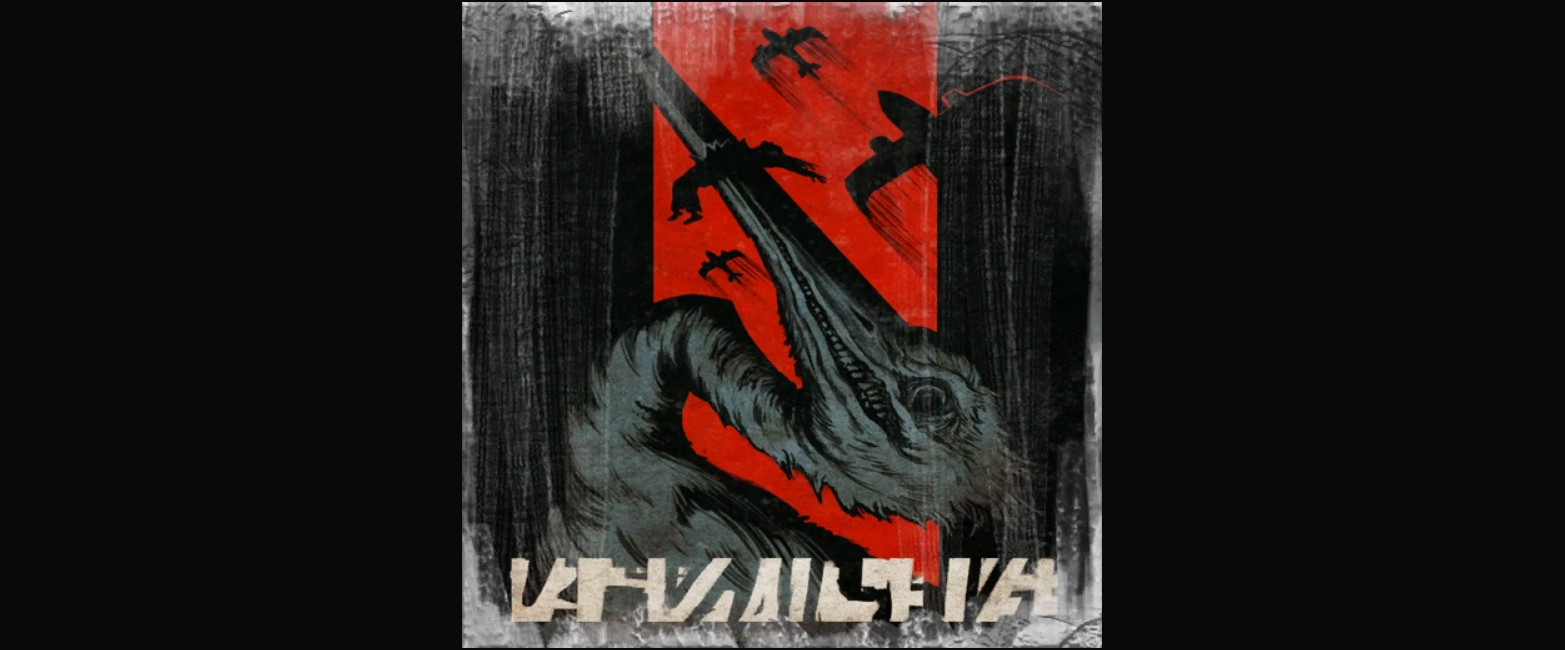
That said, the theme of war remains in the background for much of Reanimal. It’s easy to miss, and that’s perfectly normal. After all, the game also has a story to tell, and its mysterious plotline proves difficult to follow. And to be honest, these aren’t the kinds of details you pay attention to during a first playthrough, especially if you’re playing in co-op. In any case, it’s not a problem, because once we’ve reunited with all our companions, a final destination awaits us. That’s where all those alarming signs make sense, because we’re no longer simply dealing with the consequences of war. We’re taking part in it.
A harsh return to reality
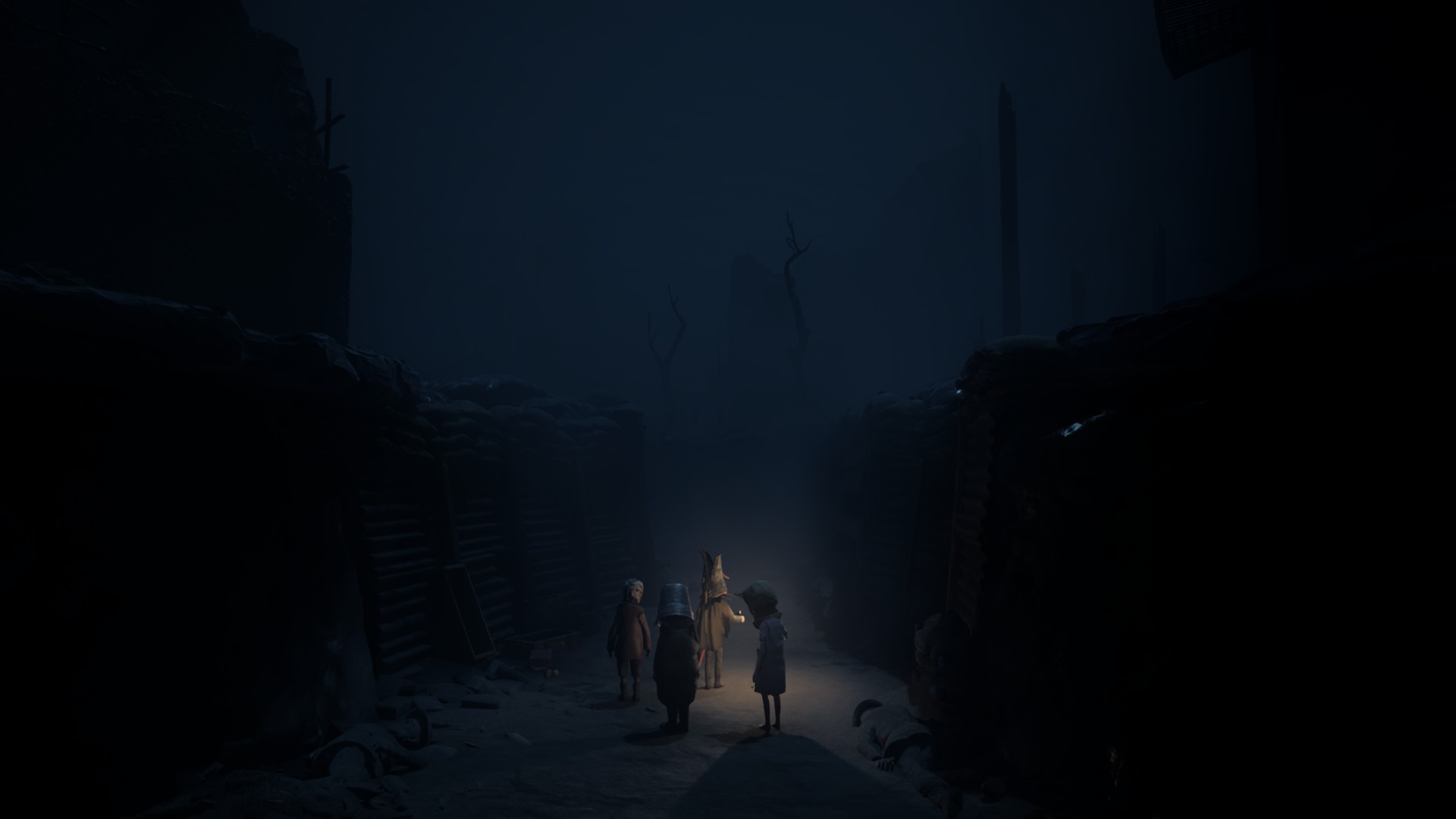
So we’ve reached the final chapter, set in the heart of a ruined city called “The Rift.” It’s a battlefield. We run through buildings that threaten to collapse and trenches dug by the army, trying to escape multiple dangers like soldiers targeting us or that terrifying lamb that’s becoming more and more monstrous. It’s nothing short of terrifying and, above all, unsettling. It’s no longer just a sensation: we’re truly thrust into the midst of a war reminiscent of World War I. Survival becomes a matter of luck.
Indeed, it’s no coincidence that people die over and over again in this chapter. What chance do children have of escaping a city caught between two warring armies? How do you avoid a stray bullet or simply a soldier who decides to chase you down? True, our friends are all devoured by a single entity: the infamous lamb. Technically, this lamb poses a greater threat to our protagonists than the army. However, throughout the entire chapter, what often costs us our lives is the military presence in this devastated city.
One particularly memorable scene that really captures this sense of dread is the pursuit of the sniper. He’s stationed in a tower, and you have to reach him to flush him out and stop him from continuing to shoot at you. In a game like Reanimal, I can’t quite explain the unease I felt at the thought of having to escape the threat of a sniper. It’s so close to reality that it’s even more effective than if it were a monster chasing me. After all, monsters don’t exist, whereas what we witness in the finale is real. It has already happened on a global scale and is still happening in some countries. In fact, in an interview with Gamewave, narrative director David Mervik stated: “The world of Reanimal was born from the shared trauma of these children.” Admittedly, this could refer to the little girl, but why not to the war itself?
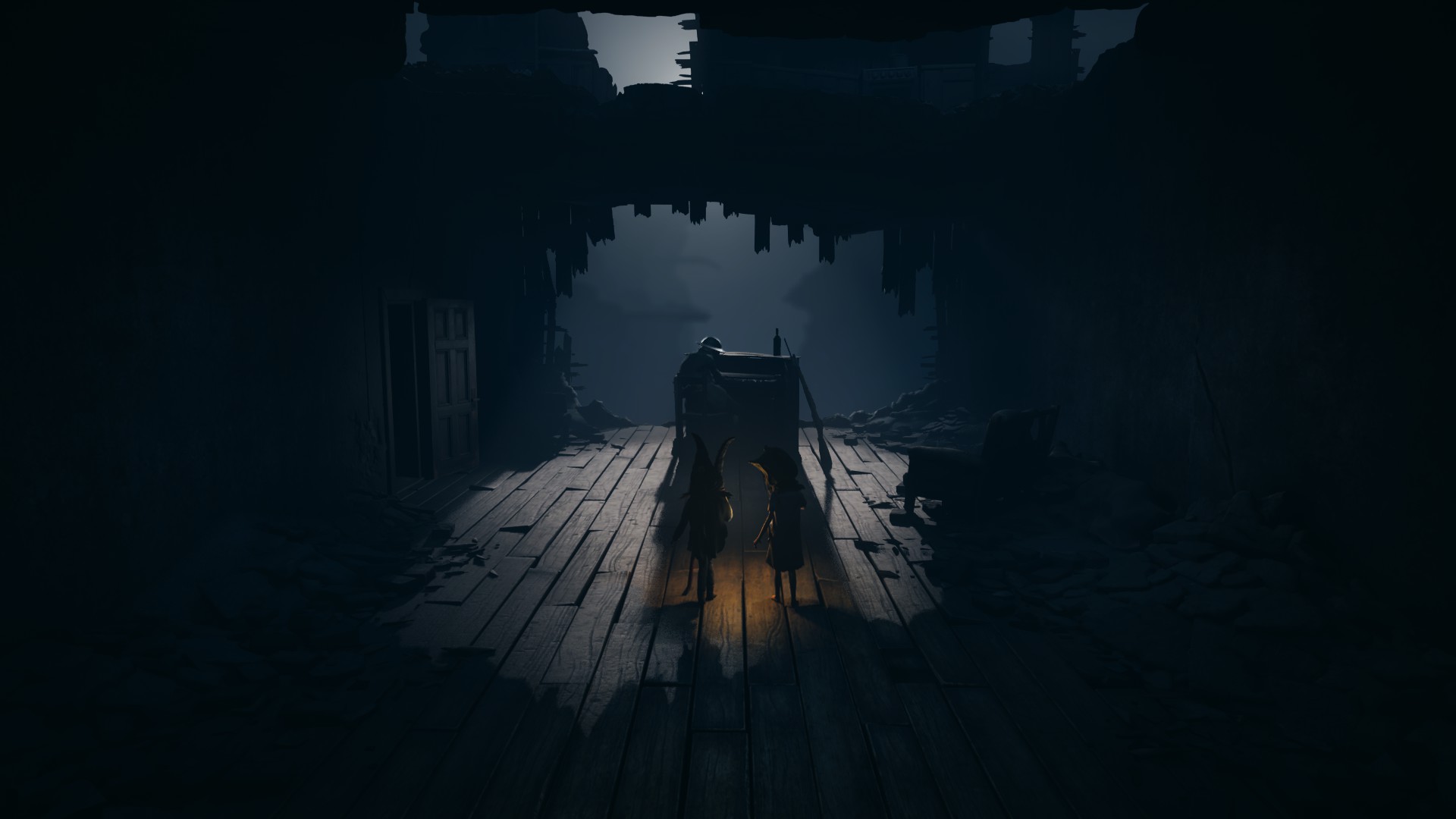
The point isn’t to say that Tarsier Studios’ goal is to immerse us in the reality of war and the consequences it can have on innocent children who find themselves caught up in it against their will. However, it is an effective way to make us forget all the threats we’ve encountered so far, in order to introduce a new one that couldn’t be closer to reality. There’s no need to draw inspiration from another work or a specific folklore; all it takes is a glance at our own world to conceive it. A necessary reminder that while we can imagine countless horrors to build our own universe, it’s difficult to surpass those that exist or have already existed.
But is that all there is to war and its portrayal? In a way, Reanimal answers this question by evoking a unique feeling—one that was absent from the Little Nightmares franchise and is actually quite rare in the horror genre.
Pity
The ending of Reanimal is indeed memorable for another, more subtle reason. It concerns the soldiers and this war we are forced to witness against our will. When you really think about it, in Little Nightmares, you never feel sadness or pity for what you see around you or the creatures you encounter. These are nightmarish worlds with a single goal: to perpetuate their monstrosity and undermine the innocence embodied by these trapped children. There is no moment that seeks to evoke empathy in players. It only arises when it concerns the main character(s).
To tell the truth, for much of the game, Reanimal follows pretty much the same trajectory. Why should we feel any sympathy for a creature like the Sniffer or the deformed bird trying to devour us? We have only one thing on our minds: fleeing from them without a second thought. But here’s the thing: everything changes as we approach the final act. The moment we step onto this battlefield. For while the soldiers target us, they are also fighting each other. A battle that, quite clearly, takes a toll on their minds. And then comes that terrible sequence where, as they move through a trench, several men stand up… and take their own lives.
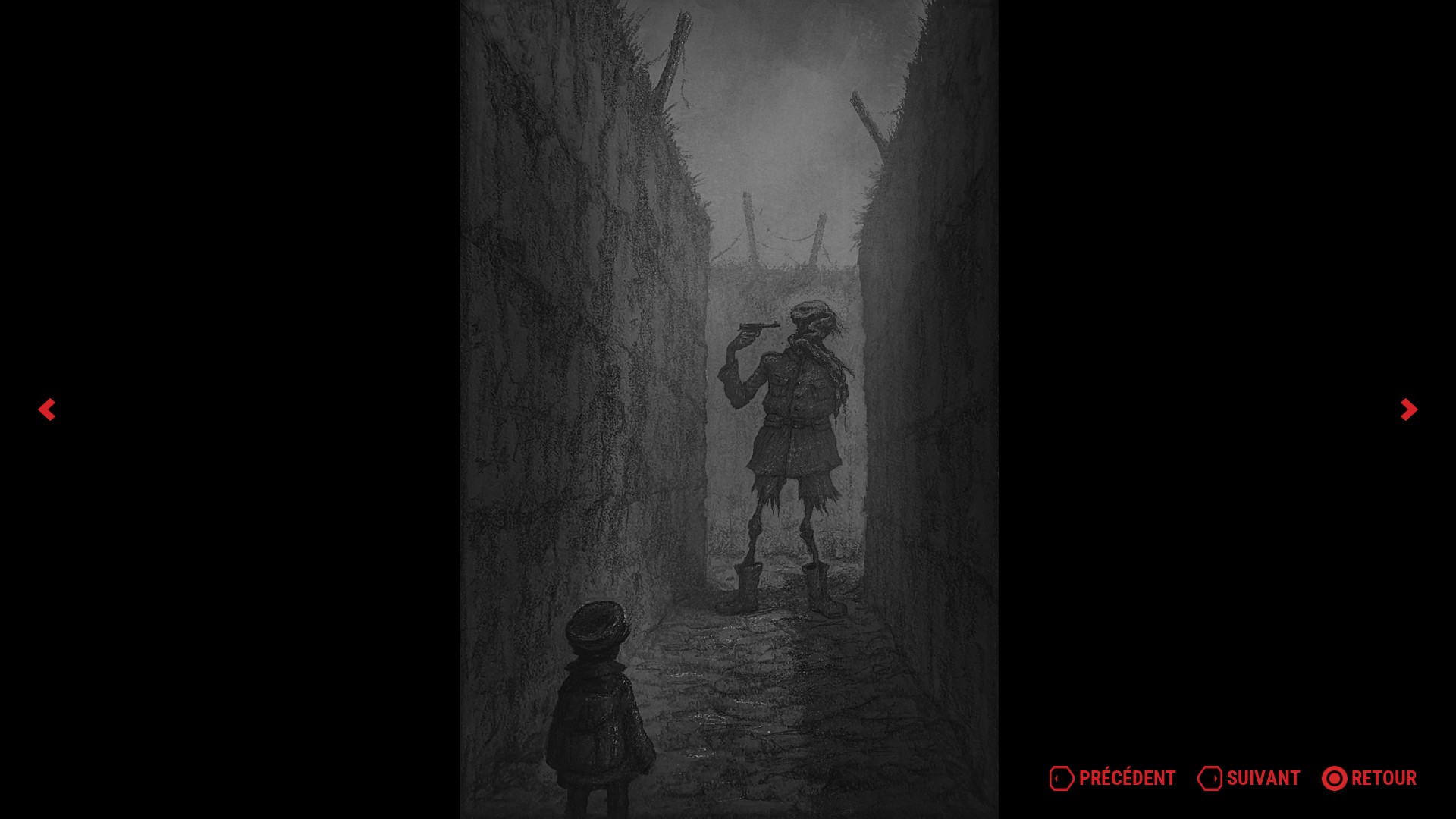
In a world created by Tarsier Studios, you can expect a lot of things, but certainly not this scene tinged with melancholy and despair. Soldiers who have lost the will to live, grabbing their guns to take their own lives right before our eyes. In fact, it’s so unsettling that the instinctive reaction is to keep running, thinking those weapons will be turned against the children. After all, from the very beginning, we’ve been the prey. In the “best” case scenario, like at the end of Little Nightmares, we become the hunter. Reanimal changes the game and introduces a new emotion into the mix: empathy.
Confusion gives way to grief. We arrive at a hospital that has been requisitioned by the army, and one by one, the people there blow themselves up with grenades. This serves the gameplay—it’s an escape sequence—but can’t we interpret it as a desire to end their suffering, to escape the horror of this war? Do they even want to fight anymore? Most of them move across the battlefield like the living dead, aimlessly. There’s even one playing the piano, as if trying to forget the hell surrounding him. By doing this, Reanimal humanizes the threat we must escape. This observation is reinforced by the fact that the soldiers, unlike all the other monsters in the game, have an ordinary appearance.
So it is almost reluctantly that we will have to take part in the conflict. Ordinary children will grab a rocket launcher and kill a sniper. They will take control of a tank and wipe out everything in their path. War spares no one, and that includes children. In the case of Reanimal, these children have no choice but to defend themselves to have any chance of surviving. We thus feel not only sorrow for the devastation such a conflict can cause, but also for the impact it has on children who have become soldiers against their will.
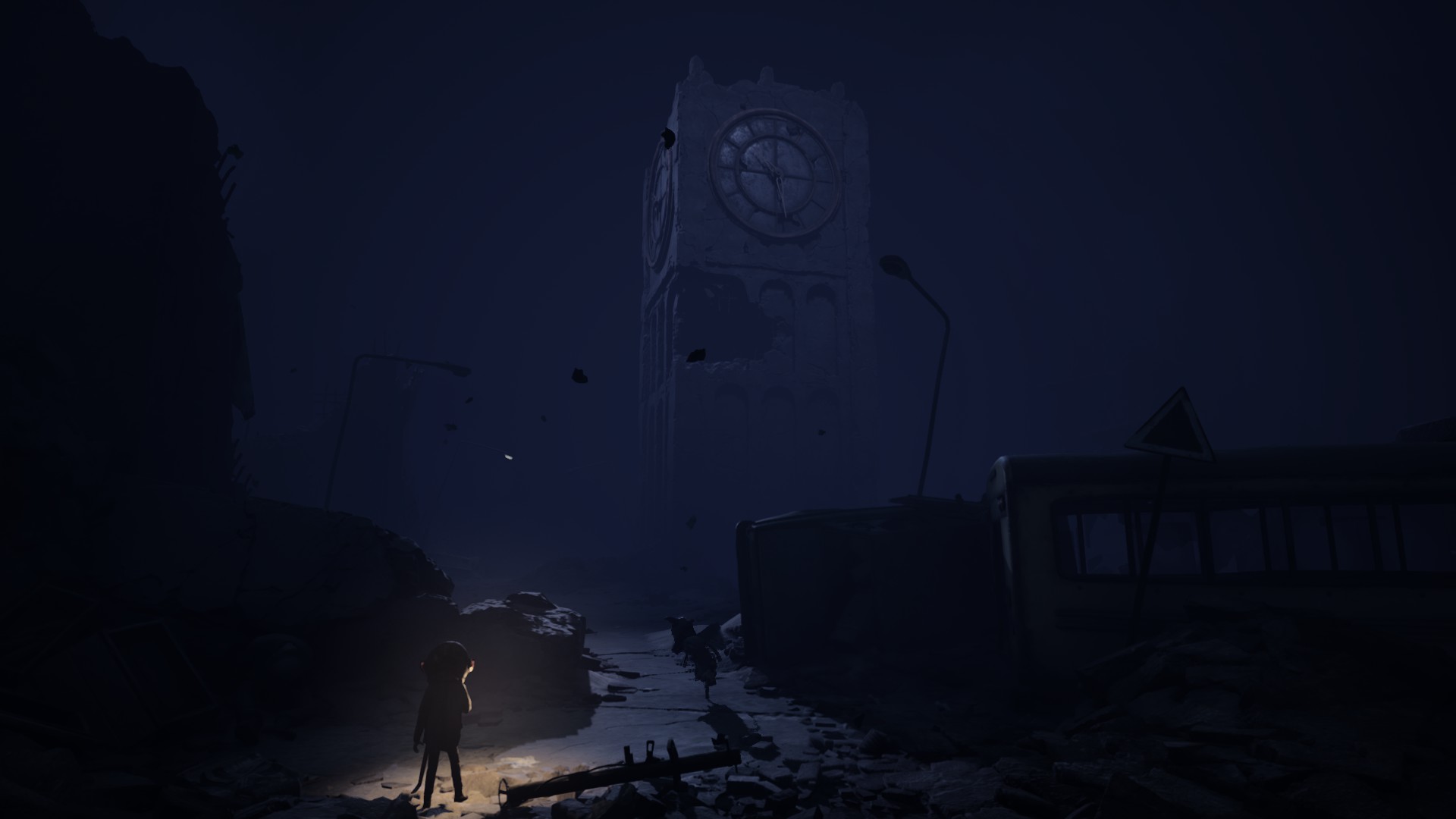
But there’s one last point that raises questions. If this battlefield is what comes closest to reality, what are we to make of the lamb that keeps chasing the protagonists? It doesn’t seem to have any connection to any of this, except for the game’s cryptic storyline. Actually, that might not be the case.
The figure of the lamb
As soon as we arrive at the bloody theater that is the final chapter, the little girl accompanying us literally vomits up a lamb. She is one of the most important figures in the story, appearing from time to time during brief interludes. Even if we’re a bit confused about her exact role and her connection to the children, there’s no denying that she has significance. In fact, she has several, and they may explain the reason for her existence.
The lamb behaves like most of the other monsters in the game: it wants to catch us—in this case, to devour us. At this point, it’s business as usual. That said, it’s almost strange to find it here, amidst these trenches, this ruined city, and these soldiers. Especially since it doesn’t interact with them, but only with the children. At first glance, it seems at odds with the realism imposed by this final section. Nevertheless, there is one element that proves otherwise, and that is its transformation.
The lamb undergoes a transformation as it swallows the children who were rescued. And, aside from its final form, every time it changes, it becomes more and more “human.” The description may be a bit exaggerated, but before becoming a shapeless mass at the end of the chapter, it does indeed grow two arms and two legs. In this form, it is found in various places. It wanders through No Man’s Land among the demoralized soldiers and feasts on a few corpses. The lamb is thus corrupted.
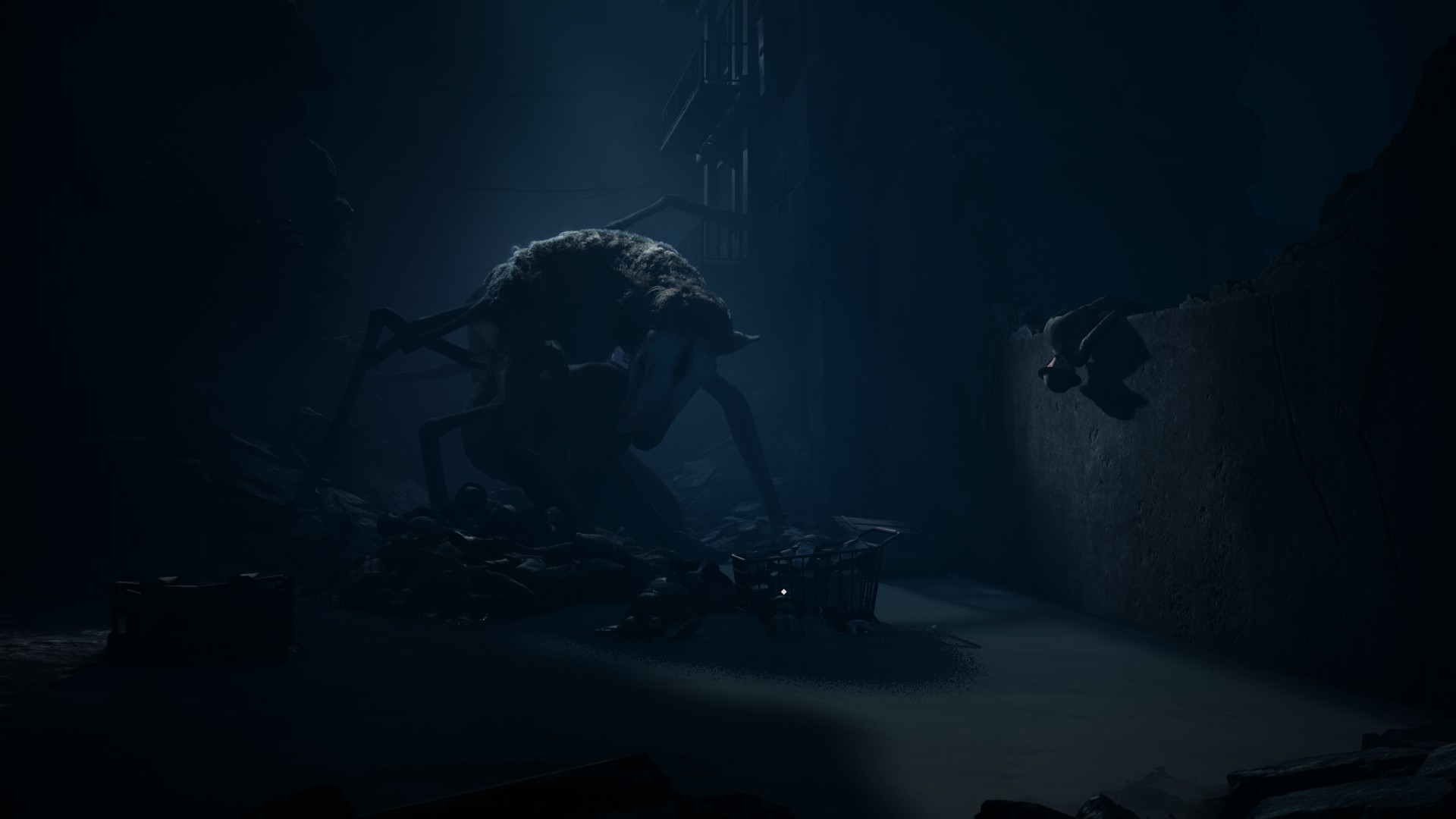
One might even go so far as to say that human nature itself is the cause of this corruption. The animal is “born,” and its first sight is a world of fire and bloodshed. It feels nothing but fear, before that fear gives way to anger and an irrepressible urge to destroy. Thus, the lamb is not merely the embodiment of all the atrocities we witness. It has been tainted by them—by the actions of human beings. Consequently, it changes and becomes a reflection of the monstrous man—the one who destroys and kills his fellow man.
This may explain the choice of a lamb for the final chapter. Come to think of it, what does a lamb usually symbolize? Innocence. It’s a cute baby animal that wouldn’t hurt a fly. Here, its inclusion in this landscape of war is no accident. It transforms into a more human-like creature, as if to reflect the horror of what is unfolding. A mirror of the human actions that have brought ruin. Thus, innocence gives way to the monstrosity and bestiality of humanity. The climax of this realization is that famous moment when it takes on a humanoid form, which is also the moment when it truly becomes part of the scenery.
Nevertheless, we must not forget that the lamb is not solely associated with innocence. In many cultures and depictions, it is an animal that is sacrificed—often as part of a ritual. It’s strange how this echoes the story of Reanimal. Except that here, the lamb is not the object of the sacrifice. When it appears, it is the executioner, and its sacrifices are none other than children. A logical choice that serves to accentuate the meaning of this universe: similar to our own, but where vices pushed to their extremes reign. A place without mercy for children, where even the figure of the benevolent animal twists to blend into the surrounding horror.
Finally, it seems important to consider the very manner in which the lamb is born. It is vomited up by the little girl, but why? If we set aside the entire story of the ritual performed by the children, can we not see this as the birth of the trauma of war experienced by the children? A trauma so powerful that it has taken shape within this morbid universe, now threatening to engulf them one by one. Is this not precisely why the lamb attacks only the children on this battlefield?
They are not spared the horrors of war, even though they should be. No one is there to help them; they must fend for themselves to survive. For any child, this is an unbearable situation. Trauma is born this way, and once it becomes too suffocating, it spells the death knell for our young protagonists in the form of the lamb. One after another, they will be devoured. Each time one of them falls, it grows and becomes even harder to escape. Hope dies, and finally, as this embodiment of trauma becomes nothing more than an unspeakable abomination, the last survivor is swallowed. The war has taken them all.
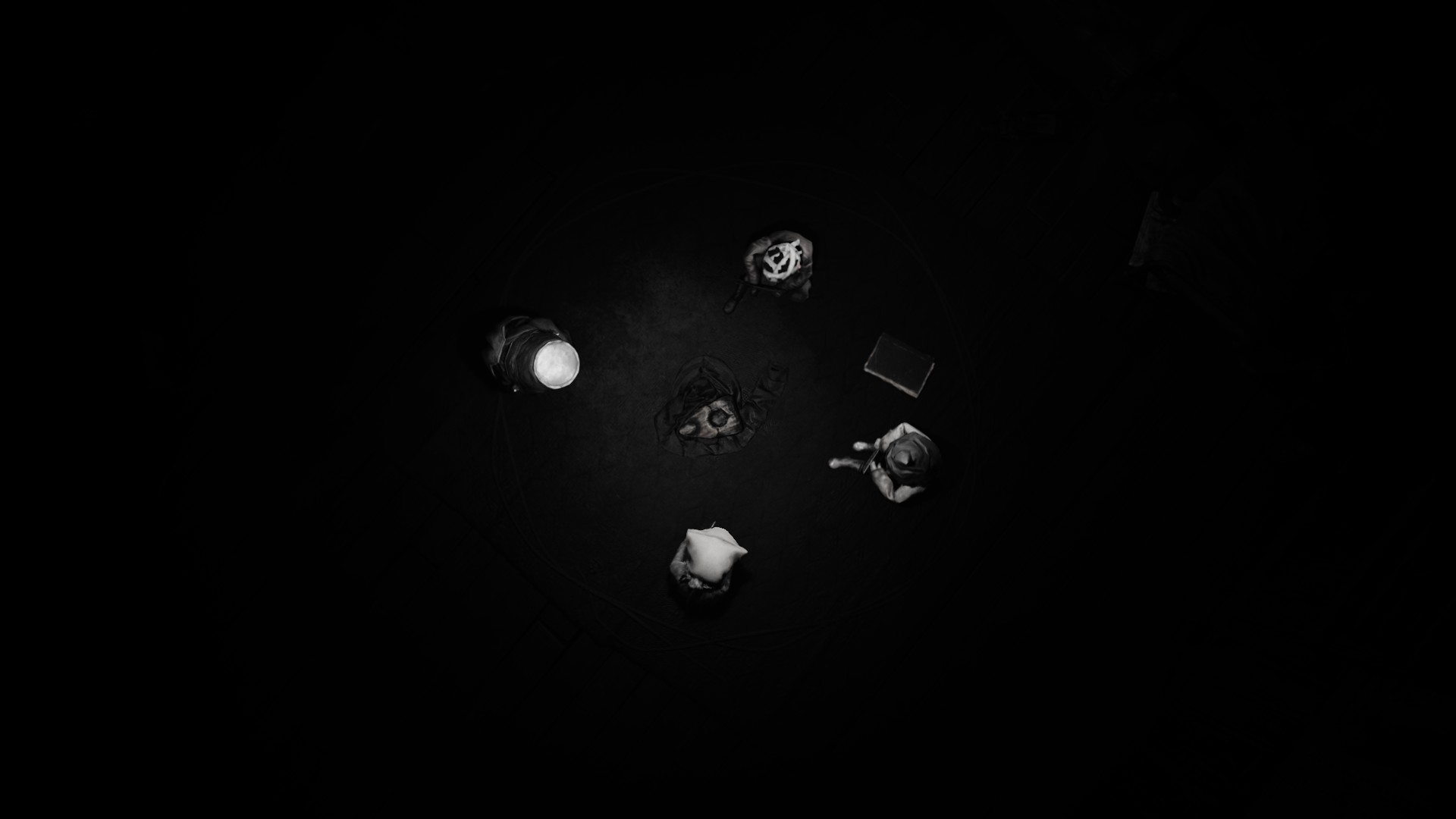
Ultimately, Reanimal can be interpreted this way: as its name suggests, it reanimates fears. Intimate fears, but also a fear on a global scale—the fear of war. The little nightmares we may have experienced in the past are dead, and upon waking, harsh reality catches up with us. This portrayal, so close to the horrors of our world, makes this new experience from Tarsier Studios all the more impactful—even shocking. Now, three DLCs await us, and judging by the first concept art that’s been revealed, we’re in for more of the same. A reflection of our world that’s as twisted as ever.